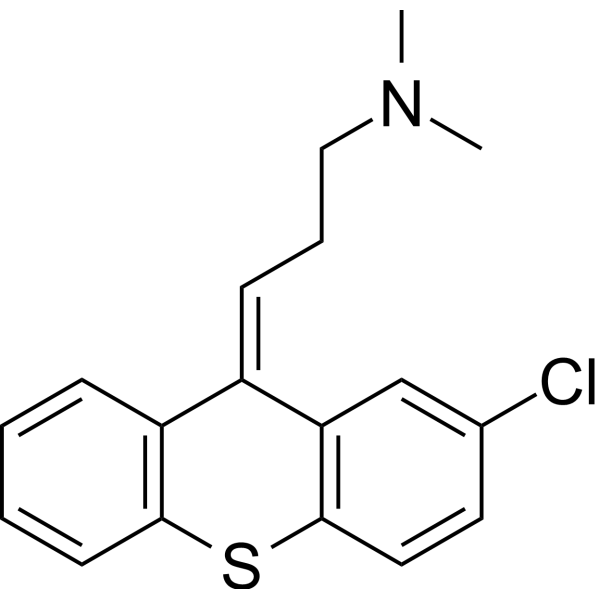
Histamine Receptor
Histamine Receptors are a class of G protein-coupled receptors with histamine as their endogenous ligand. There are four known histamine receptors: H1 receptor, H2 receptor, H3 receptor, H4 receptor. The H1 receptor is a histamine receptor belonging to the family of Rhodopsin-like G-protein-coupled receptors. This receptor, which is activated by the biogenic amine histamine, is expressed throughout the body, to be specific, in smooth muscles, on vascular endothelial cells, in the heart, and in the central nervous system. H2 receptors are positively coupled to adenylate cyclase via Gs. It is a potent stimulant of cAMP production, which leads to activation of Protein Kinase A. Histamine H3 receptors are expressed in the central nervous system and to a lesser extent the peripheral nervous system, where they act asautoreceptors in presynaptic histaminergic neurons, and also control histamine turnover by feedback inhibition of histamine synthesis and release. The Histamine H4 receptor has been shown to be involved in mediating eosinophil shape change and mast cell chemotaxis.
Histamine Receptor アイソフォーム特異的製品
All Product Categories
-
Histamine Receptor Inhibitors
(188)
View all products
-
Histamine Receptor Agonists
(66)
View all products
-
Histamine Receptor Antagonists
(496)
View all products
-
Histamine Receptor Activators
(5)
View all products
-
Histamine Receptor Modulators
(20)
View all products
-
Histamine Receptor Controls
(9)
View all products
-
Histamine Receptor Ligands
(2)
View all products
-
Histamine Receptor 関連製品 (853)
関連製品 (853)

-
抗体 (2)
-
Histamine Receptor Isoform Comparison
-
Bepotastine
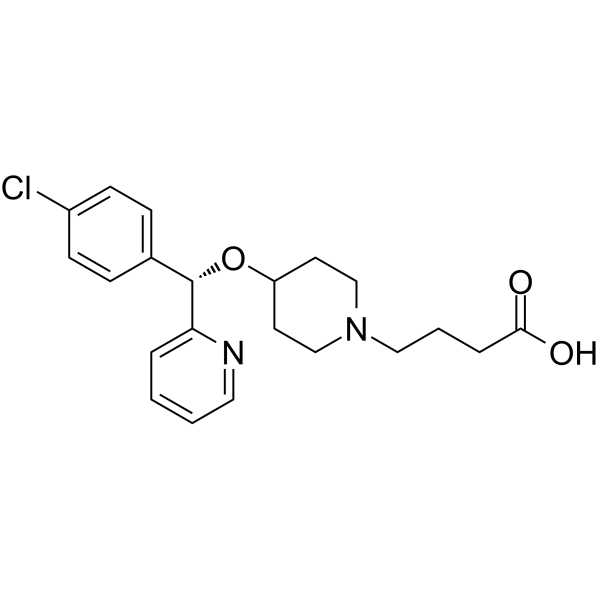 0 ImagesBepotastine is a selective and orally active second-generation histamine H1 receptor antagonist, can suppress the expression of nerve growth factor (NGF). Bepotastine has the potential for allergic rhinitis, allergic conjunctivitis and urticaria/pruritus research.
-
Ketotifen fumarate
(ケトチフェンフマル酸塩)
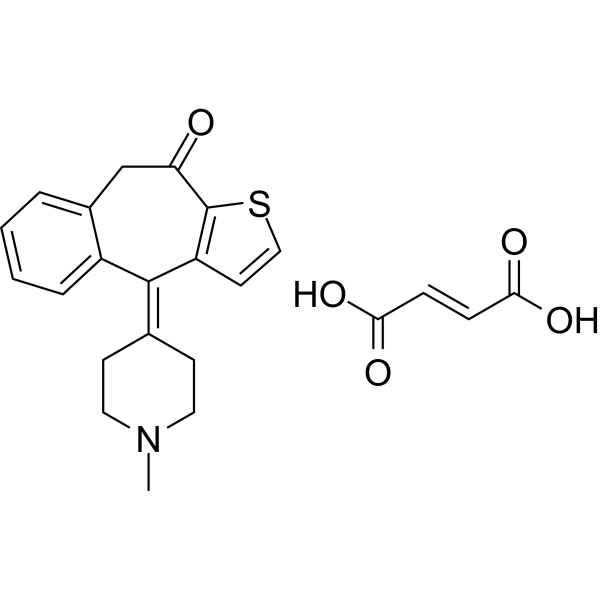 0 Images別名: Ketotifen (fumarate); HC 20511 fumarateKetotifen (HC 20-511) fumarate is an orally active second-generation noncompetitive histamine 1 (H1) receptor blocker and mast cell stabilizer. Ketotifen fumarate can block 6-phosphogluconate dehydrogenase (PGD) in vitro. Ketotifen fumarate also has antiviral activity against SARS-CoV-2 and Influenza virus. Ketotifen fumarate can be used to the research of autoimmune encephalomyelitis (EAE) and asthma attack prevention.
-
Doxepin Hydrochloride
(Doxepin (Hydrochloride))
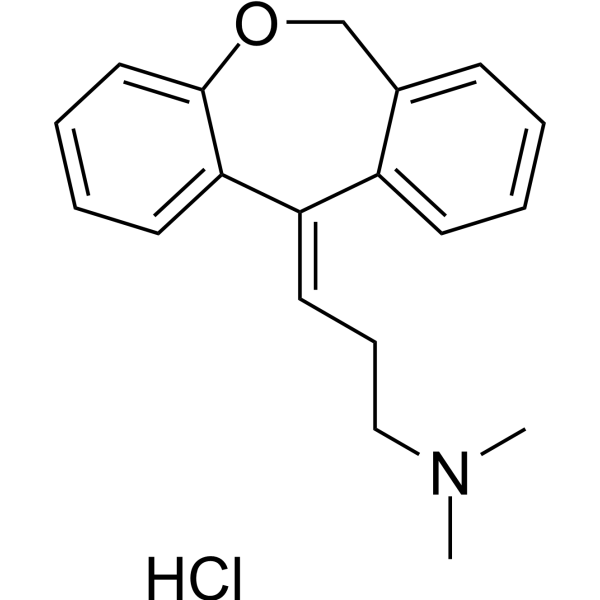 0 ImagesDoxepin hydrochloride is an orally active tricyclic antidepressant agent. Doxepin hydrochloride is a potent and selective histamine receptor H1 antagonist. Doxepin hydrochloride is also a potent CYP450 inhibitor and significantly inhibits CYP450 2C19 and 1A2. Doxepin inhibits reuptake of serotonin and norepinephrine as a tricyclic antidepressant.. Doxepin has therapeutic effects in atopic dermatitis,chronic urticarial,can improve cognitive processes, protect central nervous system.. Doxepin has also been proposed as a protective factor against oxidative stress..
-
Pitolisant
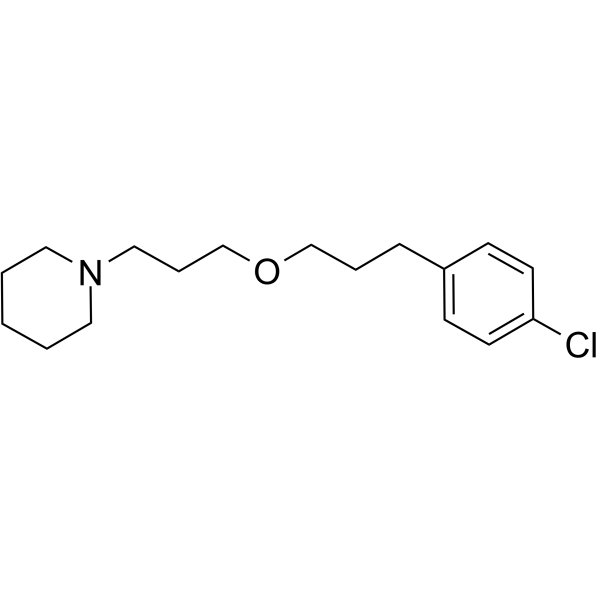 0 Images別名: TiprolisantPitolisant is a potent and selective nonimidazole inverse agonist at the recombinant human histamine H3 receptor (Ki=0.16 nM).
-
S-1-Propenyl-L-cysteine
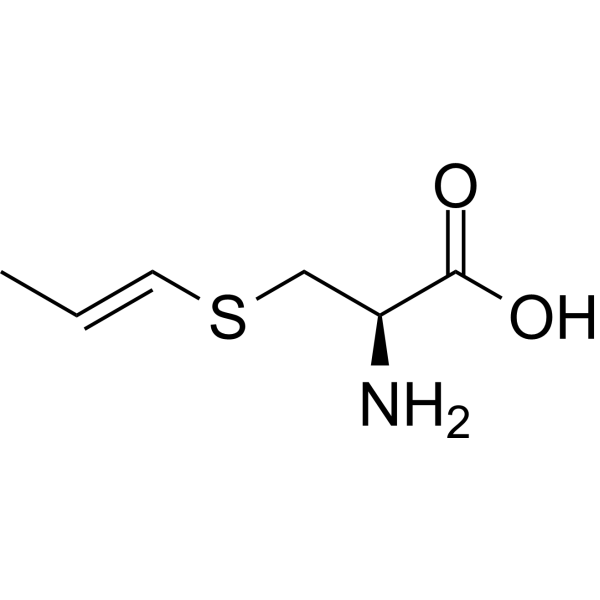 0 ImagesS-1-Propenyl-L-cysteine is a stereoisomer of S-allyl-l-cysteine, extracted from garlic, with immunomodulatory effects and reduces blood pressure in a hypertensive animal model. S-1-Propenyl-L-cysteine exhibits antioxidative efficacy through a NO-dependent BACH1 signaling pathway. S-1-Propenyl-L-cysteine is orally active.
-
Epinastine
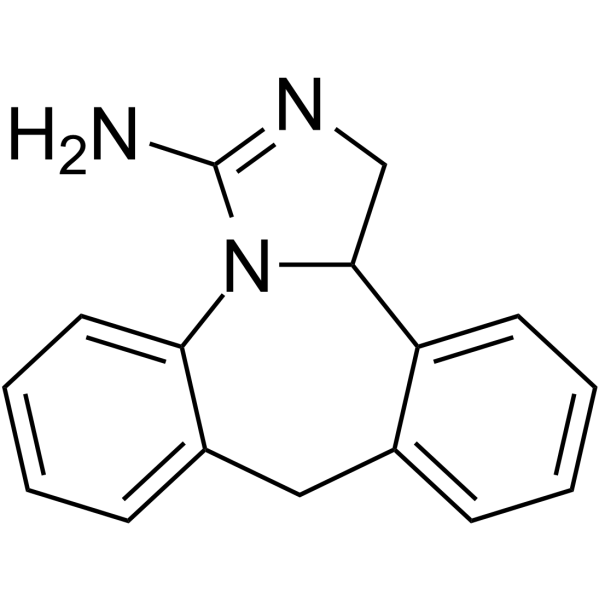 0 Images別名: WAL801Epinastine (WAL801) is a selective and orally active histamine H1 receptor antagonist, CD96/PVR inhibitor and mast cell stabilizer. Epinastine has high affinity for neuronal octopamine receptors in locusts (Ki = 2 nM) and honeybees (Ki = 1.1 nM). Epinastine hydrochloride inhibits TARC, IL-8, and IL-4. Epinastine activates anti-colon cancer immunity and inhibits Substance P (HY-P0201)-induced scratching behavior and increased vascular permeability. Epinastine can be used in the research of allergic diseases.
-
Azelastine hydrochloride
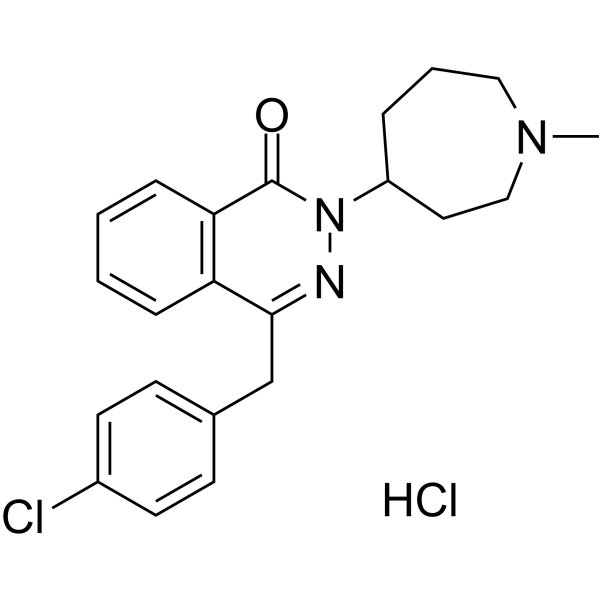 0 ImagesAzelastine hydrochloridem, an antihistamine, is a potent and selective histamine 1 (H1) antagonist. Azelastine hydrochloride can be used for the research of allergic rhinitis, asthma, diabetic hyperlipidemic and SARS-CoV-2.
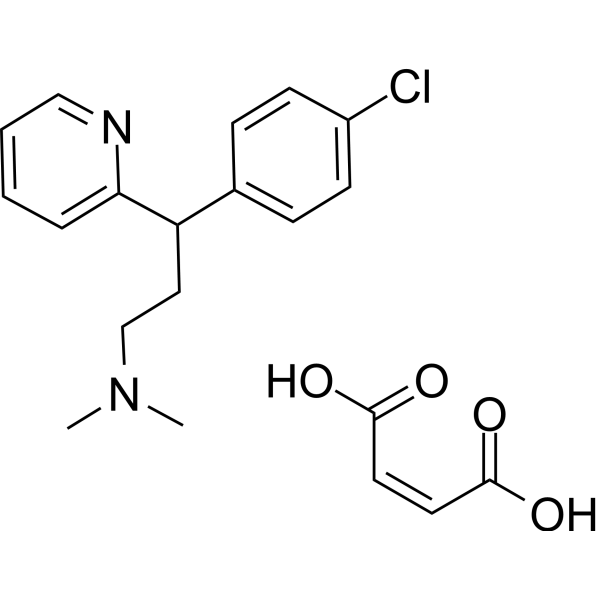
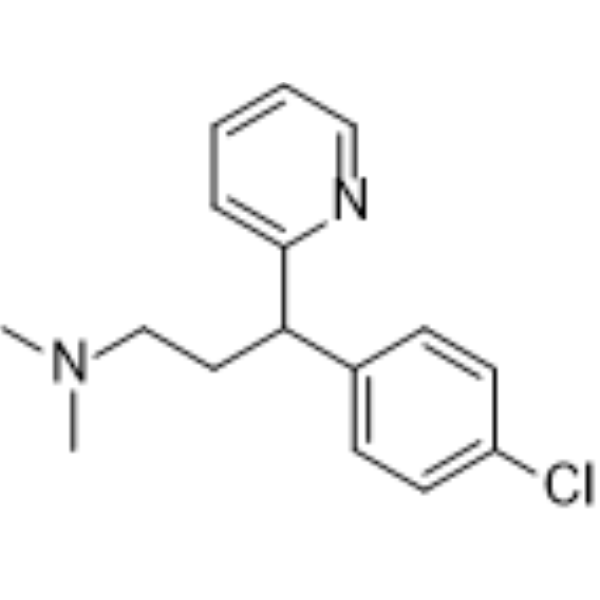
- Chlorpheniramine maleate (クロルフェニラミンマレイン酸塩)
-
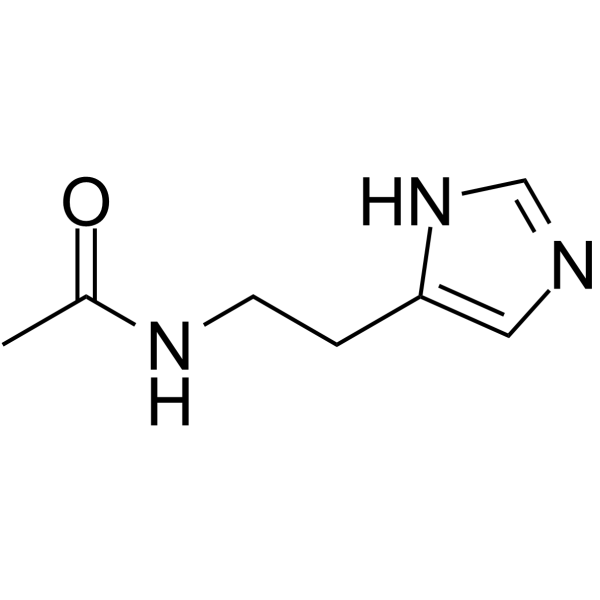
Histamine phosphate
(Histamine (phosphate))
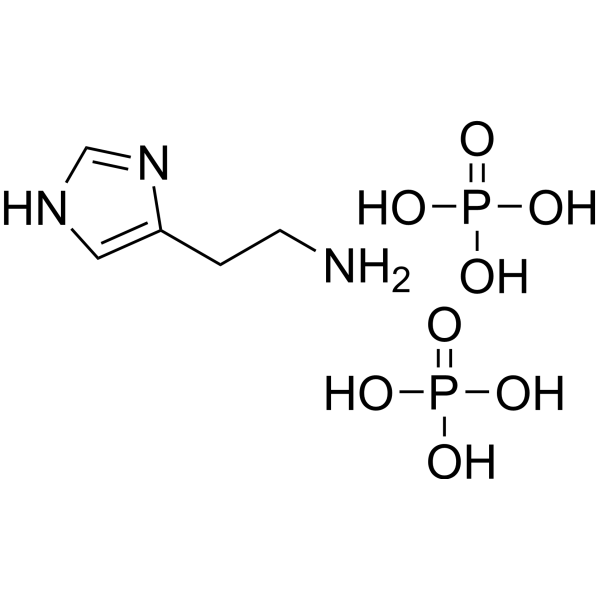 0 ImagesHistamine phosphate is the agonist for histamine receptor and a vasodilator. Histamine phosphate is an organic nitrogen compound that participates in local immune responses, regulates intestinal physiological functions, and acts as a neurotransmitter. Histamine phosphate affects p38 MAPK/Akt signaling pathway, exhibits antitumor, antioxidant and anti-inflammatory activities. Histamine phosphate can be used in the research of acute myeloid leukemia, malignant melanoma, and renal cell carcinoma.
-
Levomepromazine
(Levomepromazine)
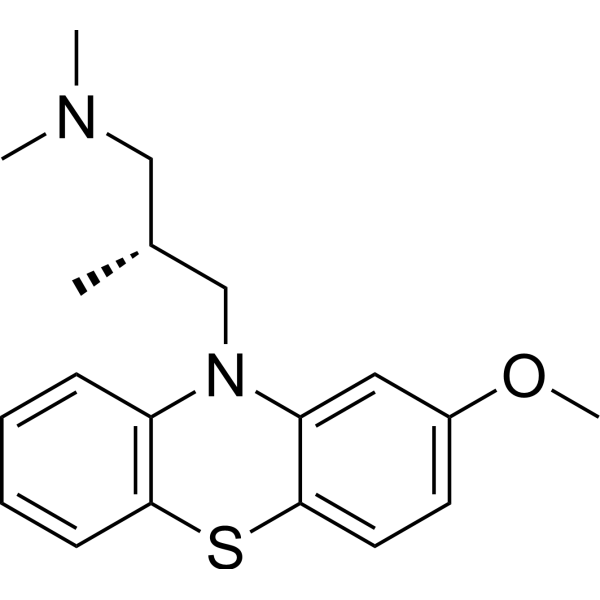 0 ImagesLevomepromazine (Methotrimeprazine) is an orally active antipsychotic compound and Ca2+ release inducer. Levomepromazine inhibits SERCA pump and induces an increase in cytoplasmic Ca2+ levels. Levomepromazine has antagonistic effects on a variety of neurotransmitter receptors, including dopamine, cholinergic, serotonin, and histamine receptors. Levomepromazine can induce adaptive ER stress and autophagy. In addition, Levomepromazine has antiviral, anti-inflammatory, neuroprotective and analgesic, sedative and anti-injurious activities. Levomepromazine can be used in the study psychiatric disorders and relieving nausea and vomiting.
-
Thioperamide
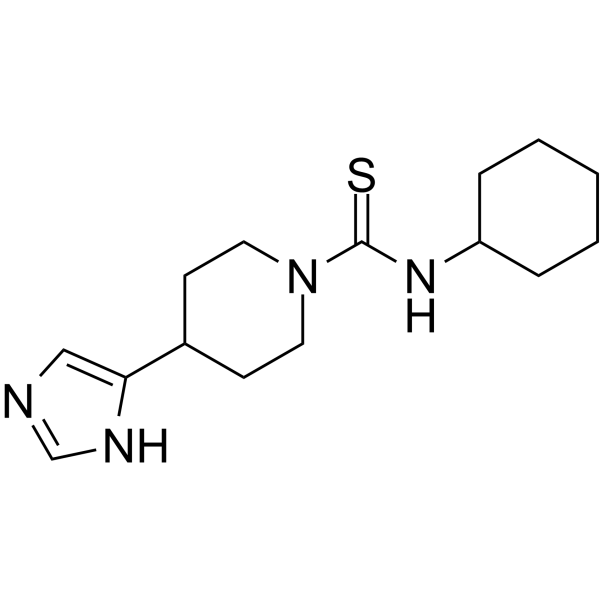 0 Images別名: MR-12842Thioperamide (MR-12842) is a potent, orally available, brain penetrant and selective H3 receptor antagonist with a Ki of 4.3 nM for inhibition of [3H]histamine release. Thioperamide inhibits [3H]histamine synthesis with a Ki of 31 nM.
-
Hydroxyzine dihydrochloride
(Hydroxyzine (dihydrochloride))
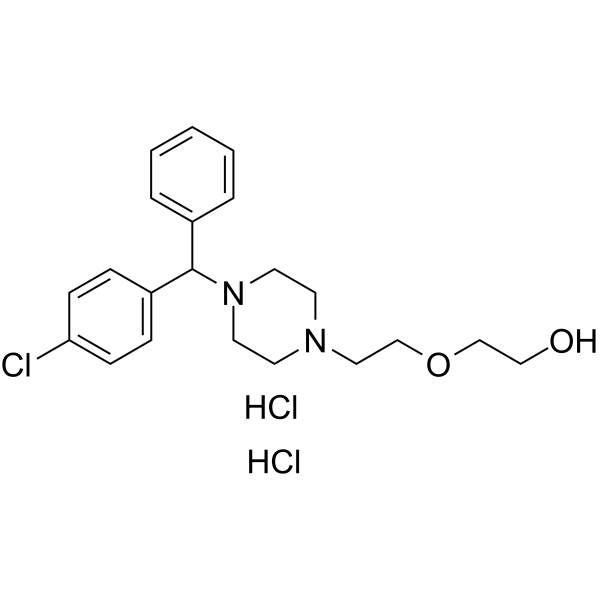 0 ImagesHydroxyzine dihydrochloride, a benzodiazepine antihistamine agent, acts as a orally active histamine H1-receptor and serotonin antagonist. Hydroxyzine dihydrochloride has anxiolytic effect and can be used forthe research of generalised anxiety disorder.
-
Levocetirizine
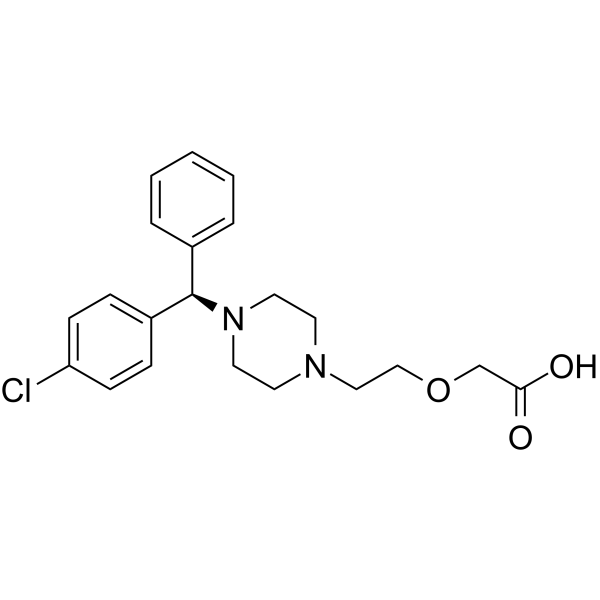 0 Images別名: (R)-CetirizineLevocetirizine ((R)-Cetirizine) is a third-generation peripheral H1-receptor antagonist. Levocetirizine is an antihistaminic agent which is the R-enantiomer of Cetirizine. Levocetirizine has a higher affinity for the histamine H1-receptor than (S)-Cetirizine and can effectively treat allergic rhinitis and chronic idiopathic urticaria.
-
Trazodone hydrochloride
(トラゾドン塩酸塩)
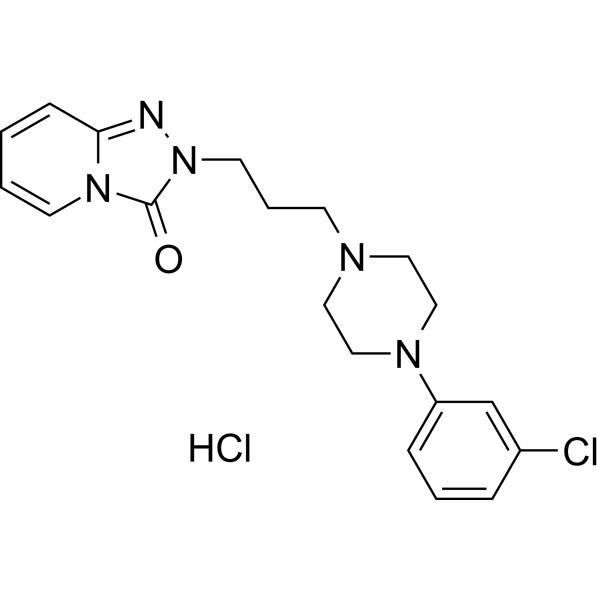 0 Images別名: Trazodone (hydrochloride); AF-1161Trazodone hydrochloride (AF-1161) is a triazolopyridine derivative that belongs to the class of serotonin receptor antagonists and reuptake inhibitors (SARIs). Trazodone hydrochloride has anti-depressant and anti-insomnious activity. Trazodone hydrochloride exerts antagonistic properties against a1- and a2-adrenergic receptors and histamine H1 receptors, with minimal anticholinergic effects.
-
Promethazine hydrochloride
(プロメタジン塩酸塩)
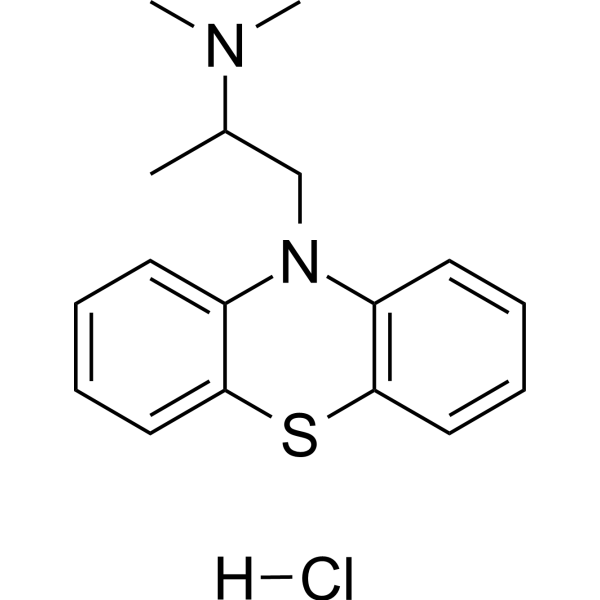 0 ImagesPromethazine hydrochloride is an orally active phenothiazine derivative with antihistaminic (H1), sedative, antiemetic, anticholinergic, and antimotion sickness properties. Promethazine hydrochloride is a potent H1 receptor antagonist and a mAChR antagonist. It also has a certain affinity for 5-HT2A and 5-HT2C receptors.
-
Alcaftadine
(Alcaftadine)
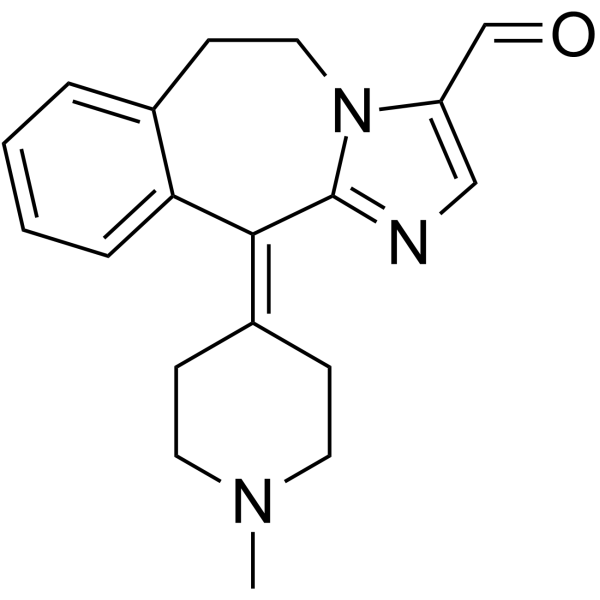 0 Images別名: R89674Alcaftadine (R89674) is a histamine H1 receptor antagonist, which is used to prevent eye irritation brought on by allergic conjunctivitis. Alcaftadine is a broad-spectrum antihistamine displaying a high affinity for histamine H1 and H2 receptors and a lower affinity for H4 receptors. Alcaftadine also exhibits modulatory action on immune cell recruitment and mast cell stabilizing effects.
-
Rupatadine
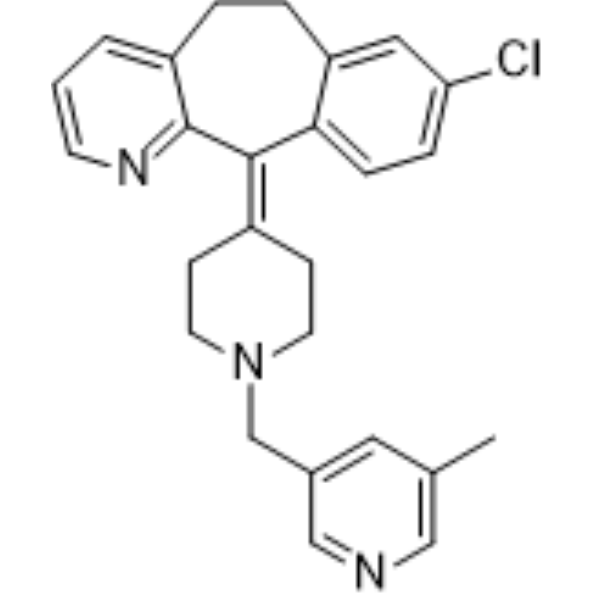 0 Images別名: UR-12592Rupatadine (UR-12592) is a potent, orally active and long-lasting dual PAF/H1 antagonist, with Kis of 0.55 μM and 0.1 μM, respectively. Rupatadine can be used for the research of allergic rhinitis and urticaria.
- Chlorprothixene (クロルプロチキセン)